
Timing plays a bigger role in home improvements than most people realize, especially when the foundation is involved. A strong foundation supports the entire structure, so choosing the right moment to repair it helps avoid delays and protects future renovation plans. Weather, soil conditions, and seasonal temperature fluctuations all impact how well repairs hold up and how smoothly the project progresses.
Many homeowners notice cracks or uneven floors and wonder whether they should address these issues before starting their renovation. This is where planning makes a major difference. Understanding the basics of home foundation repair in Holland helps homeowners feel more confident about when to take action and how repairs fit into their larger home improvement goals.
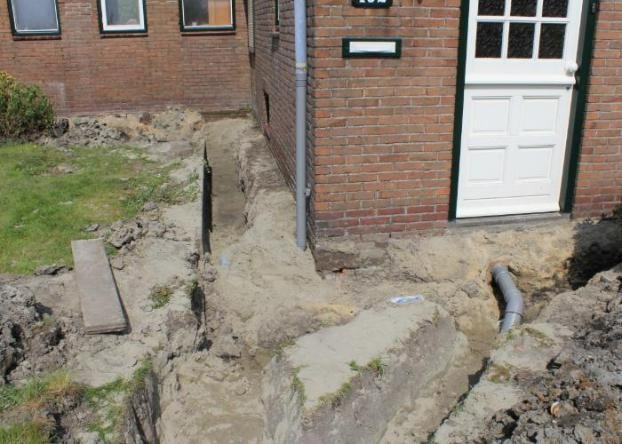
Fortunately, today’s repair methods allow professionals to work in most seasons of the year. Even so, each season brings its own benefits and challenges. Learning how timing affects the process makes it easier to choose a schedule that supports both stability and strong renovation results.
Why Seasonal Timing Matters for Foundation Repairs and Renovations
A foundation reacts to the conditions around it. Soil expands when it is wet and contracts when it is dry. Temperature shifts impact the curing process of concrete and repair materials. Heavy rain, snow, or frozen soil can also slow down access to the work area.
Due to these natural changes, certain times of the year provide better conditions for reliable repairs. Planning around the seasons helps create long-lasting results and a smoother renovation timeline.
Spring: A Popular Season for Foundation Repairs
Spring brings moderate temperatures and balanced soil moisture, making it an ideal time for repairs. As the ground settles after winter, cracks and movement often become easier to spot.
Homeowners also discover issues left behind by freeze-thaw cycles. Addressing these problems in the spring helps prevent them from worsening during the hotter summer months.
Summer: Ideal for Fast Curing and Clear Scheduling
Summer provides warm weather, long daylight hours, and predictable scheduling. Dry soil reveals settling more clearly, allowing professionals to see where movement has occurred.
Repair materials usually cure quickly in warm temperatures. Although extreme heat sometimes requires adjustments, experienced crews manage it without difficulty.
Fall: One of the Best Times to Prepare Before Winter
Fall offers steady temperatures and reliable working conditions. Repair materials cure evenly, and the soil stays stable.
Many homeowners choose fall because it protects the home before winter arrives. Cold weather can exacerbate existing cracks, so addressing problems in the fall helps prevent additional stress on the foundation.
Winter: Still Possible with the Right Tools
Winter conditions create more obstacles, but repairs are still very achievable. Professionals utilize insulated materials and controlled heating to ensure that repair work proceeds efficiently and effectively.
Certain problems should not be put off until spring. Water intrusion, fast-growing cracks, or sinking floors require immediate attention. In these cases, acting quickly prevents long-term damage.
How to Decide the Right Time for Your Project
Choosing the ideal time depends on the condition of the home and the homeowner’s renovation plans. If you plan to install new flooring, finish a basement, or add rooms, repairing the foundation first prevents damage to fresh materials.
The severity of foundation issues also matters. Minor cracks may wait until a preferred season. Significant sinking or shifting indicates a need for immediate action.
Budget and scheduling play a role as well. Planning early gives homeowners more flexibility and ensures repairs fit comfortably into the renovation timeline. A professional inspection provides a clear picture of what is needed and when.
What to Expect During the Foundation Repair Process
Foundation repair always begins with an inspection. A specialist checks for cracks, soil movement, drainage issues, and structural changes. This allows them to create a plan that matches the home’s needs and the homeowner’s renovation schedule.
After the plan is set, the repair team coordinates with any upcoming remodeling work. This prevents new walls, floors, or structural upgrades from being affected by future movement. Once repairs are done, homeowners should keep an eye on moisture levels and maintain good drainage to protect the foundation.
These simple steps help preserve the stability created through home foundation repair and support long-lasting results.
Conclusion
Choosing the best time for home foundation work helps create safer renovations and reduces the risk of expensive surprises. Spring, summer, and fall each offer distinct advantages, while winter repairs can still be accomplished with the right tools. The most important step is addressing problems early and planning ahead. With a clear understanding of seasonal conditions and a thoughtful repair schedule, homeowners can move forward confidently with their renovation goals.
For professional inspection and dependable repair solutions, contact Holland Foundation Repair Experts. Their team provides trusted guidance to help homeowners begin their projects on solid ground.