
A small crack near your doorway might not seem important. Neither does a window that suddenly becomes difficult to open or a floor that feels slightly uneven. These changes often appear so gradually that people overlook them until something more serious happens. Unfortunately, what looks like normal wear might be an early warning sign of trouble beneath your home.
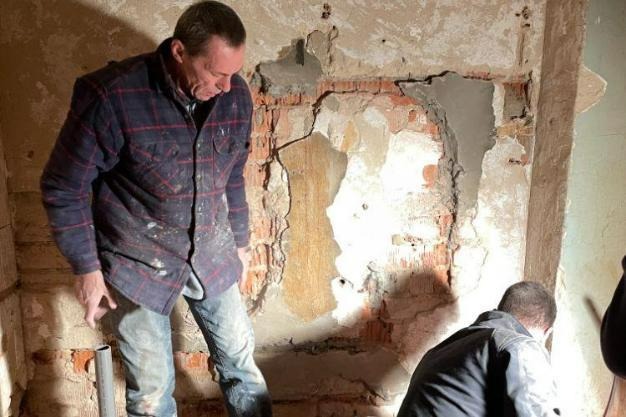
Understanding foundation repair in Fredericksburg, VA, before problems become serious gives you a better chance to protect your home’s structure and avoid unexpected expenses. Many structural issues develop over time, influenced by shifting soil, moisture, and drainage conditions.
The good news is that knowing what to look for makes a difference. Here are some overlooked facts about structural problems, why they develop, and what you should know before making major repair decisions.
Your Foundation Might Be Moving Without You Realizing It
Buildings naturally settle as the ground beneath them adjusts over time. However, excessive or uneven movement may create structural problems that require professional attention.
One surprising fact is that warning signs often appear far from the foundation itself. Changes in walls, floors, windows, and doors may indicate movement below ground.
Watch for these common warning signs:
- Cracks around doors and windows: Diagonal cracks may develop when portions of a building shift.
- Uneven floors: Sloping or sinking areas sometimes indicate changes in structural support.
- Sticking doors: Doors that suddenly become difficult to close may suggest movement around the frame.
- Gaps along walls: Separation between walls, ceilings, or trim may indicate shifting.
- Stair-step cracks: Cracks following mortar joints in brickwork deserve closer inspection.
Not every symptom means your property has a serious structural problem. However, changes that appear suddenly or continue getting worse deserve attention.
Water Is Often the Hidden Source of Structural Trouble
Water plays a much larger role in foundation problems than many people realize.
When moisture accumulates around a building, it affects the surrounding soil. Certain clay-rich soils expand when wet and shrink during dry conditions. Repeated changes in soil volume may place uneven pressure on the foundation.
Poor drainage creates additional problems. Water that collects near basement walls may contribute to seepage, dampness, and pressure on below-ground structures.
Common sources of excess moisture include clogged gutters, poorly positioned downspouts, leaking underground pipes, and ground that slopes toward the building.
According to the U.S. Environmental Protection Agency, correcting leaks, seepage, and drainage problems is an important part of controlling moisture inside buildings.
This connection explains why you may need to improve drainage or waterproof certain areas alongside structural work. Without identifying the source of moisture, some problems may return even after visible damage has been treated.
Not Every Foundation Crack Means the Same Thing
Finding a crack in your basement wall might immediately raise concerns about expensive repairs. However, cracks develop for different reasons, and their appearance provides useful clues.
Hairline cracks sometimes result from concrete shrinking as it cures. These cracks are often cosmetic, although they deserve monitoring.
Horizontal cracks in basement walls may indicate pressure from surrounding soil. Stair-step cracks in masonry sometimes develop when portions of the structure settle unevenly.
Widening diagonal cracks near doors or windows may also suggest movement.
The key lesson is that foundation repair should start with understanding the cause, not just covering the visible damage.
A useful first step is to photograph suspicious cracks and record their location and appearance. Additional photos taken over time may reveal changes that were hard to notice at first.
Large cracks, sudden movement, or walls that appear to bow inward warrant prompt professional evaluation.
Quick Fixes Sometimes Become Expensive Mistakes
When structural damage becomes visible, the cheapest solution often looks attractive.
Applying sealant over a crack or patching damaged drywall may improve a room’s appearance. However, cosmetic work doesn’t fix ongoing soil movement, structural instability, or water pressure.
This is why identifying the source of damage matters before choosing a treatment.
The cost of structural work depends on several factors, including:
- The type and size of the foundation
- The extent of movement or damage
- Soil conditions around the property
- Drainage and groundwater problems
- Accessibility of the damaged areas
- Materials and stabilization methods required
Some situations need relatively limited work. Others involve structural reinforcement, drainage improvements, or specialized support systems.
Choosing a treatment without understanding the problem can lead to extra costs later. A detailed evaluation provides a stronger starting point for deciding where to invest your money.
A Professional Inspection Does Not Always Mean Major Construction
Many people postpone calling a contractor because they expect an inspection to lead directly to costly construction.
In reality, an evaluation is meant to identify what is happening and determine the appropriate next steps.
During an inspection, a qualified professional may examine visible cracks, measure floor elevations, observe wall movement, and investigate signs of moisture intrusion.
They may also review exterior drainage, nearby soil conditions, and accessible crawl spaces or basements.
Depending on the findings, possible foundation repair methods include structural underpinning, wall reinforcement, crack treatment, or drainage improvements.
Some properties need monitoring rather than immediate structural work. More complex cases may require an independent structural engineer to evaluate the building and specify a suitable solution.
Before approving a project, ask what caused the damage, why the proposed method is appropriate, and what the written estimate includes.
Understanding these details makes it easier to compare contractors and avoid unnecessary work.
Everyday Maintenance Makes More Difference Than You Think
Structural protection does not begin when cracks appear. Regular maintenance helps reduce avoidable moisture problems and spot changes early.
Consider adding these simple steps to your property maintenance routine:
- Clean gutters regularly to prevent water from overflowing near exterior walls.
- Check downspouts to confirm water flows away from the building.
- Inspect basement walls for damp spots, seepage, and developing cracks.
- After storms, monitor yard drainage to identify areas where water collects.
- Watch doors and windows for sudden changes in operation.
- Document unusual movement with photographs and dated notes.
These habits take relatively little time but offer useful information about your property’s condition.
They also make discussions with contractors more productive because you’ll have a clearer record of when problems started and how they developed.
Conclusion
Foundation problems often begin with subtle changes that are easy to dismiss. Cracks, uneven floors, moisture intrusion, and sticking doors may have different causes, but understanding their significance is the first step toward protecting your property.
The most important lesson is that early awareness creates more options. Regular inspections, proper drainage, and timely attention to structural changes reduce the risk of overlooking developing damage.
Knowing when to seek foundation repair also makes it easier to choose the right solution without unnecessary stress or expense.
If you’ve noticed basement cracks, recurring moisture, or signs of structural movement, Fredericksburg Basement Waterproofing Experts is ready to discuss your concerns. Contact us to learn more about our basement waterproofing and foundation services and take the next step toward protecting your property.